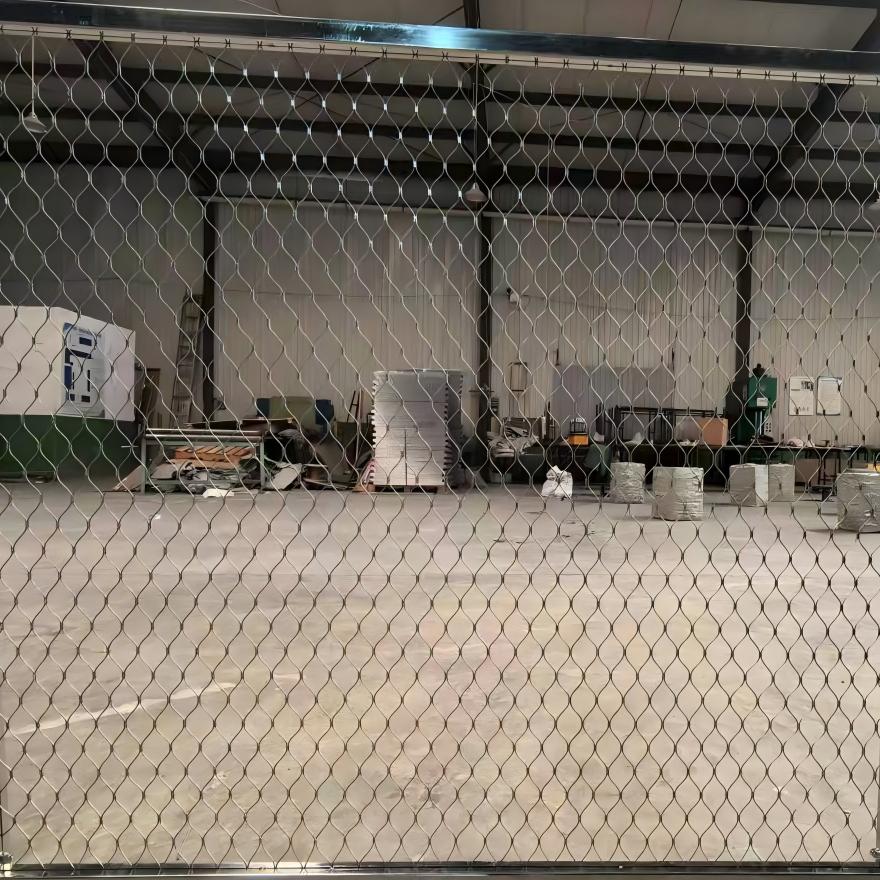
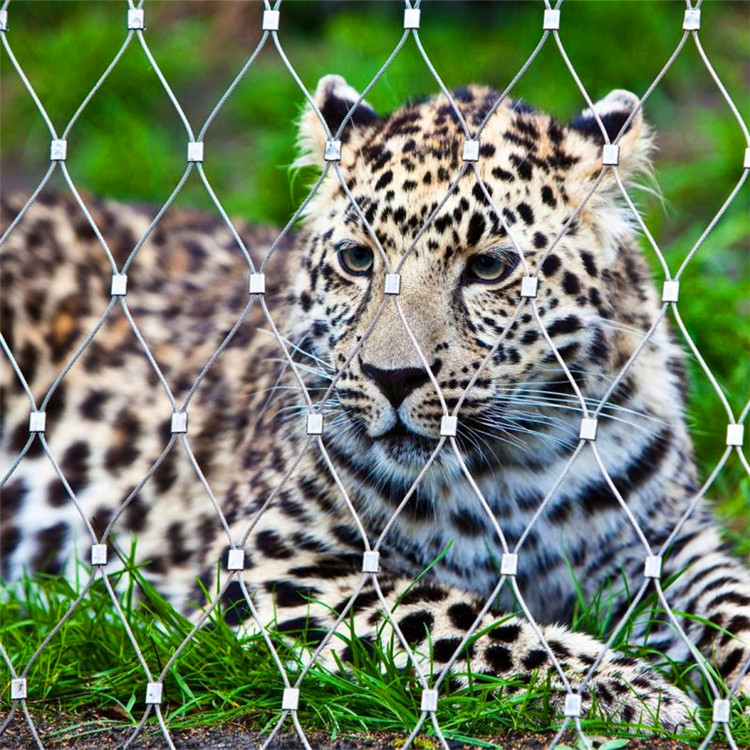
How to Choose the Right Material for Stainless Steel Rope Netting
Learn how to select mesh size, material, and weaving type for your application.
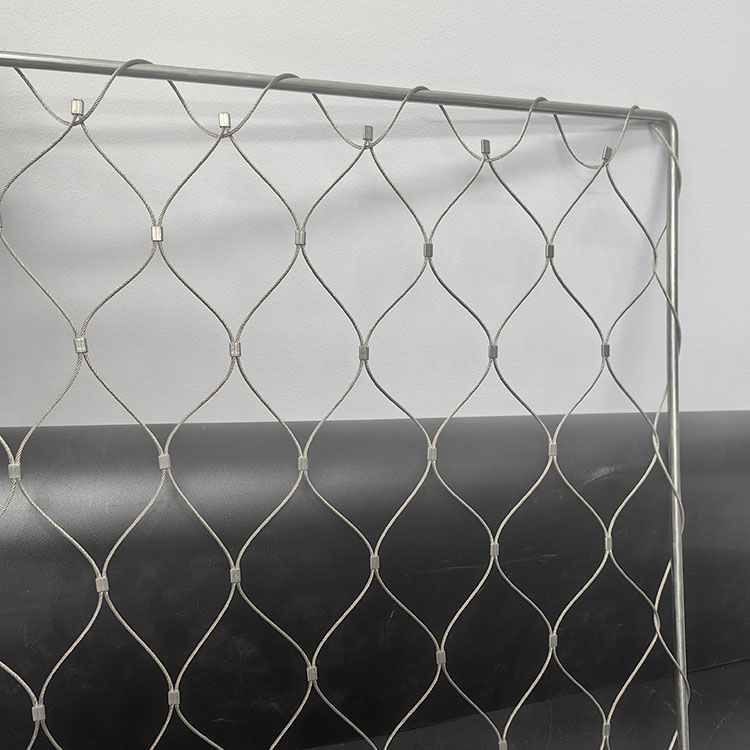
When purchasing stainless steel rope netting for construction, zoo, marine and industrial projects, material grade determines service life, anti-corrosion performance and overall project cost. Many global contractors and distributors confuse 304 and 316 stainless steel, leading to premature rust, deformation and extra maintenance cost. This guide breaks down core material differences to help you pick the matching stainless steel rope netting for your working environment.
Brief Introduction to Stainless Steel Rope Netting Materials
Stainless steel rope netting is woven from solid stainless steel wire rope, with AISI 304 and AISI 316 as two mainstream raw materials on the international market. Both grades contain chromium for rust resistance, while only 316 stainless steel adds molybdenum to resist chloride salt erosion.Our stainless steel rope netting strictly uses certified raw materials without recycled inferior steel. Each batch of stainless steel rope netting comes with material test report for customs inspection and project acceptance. The material choice is the primary factor you need to confirm before confirming mesh size, wire diameter and installation accessories.
Core Performance Features of Two Main Materials
Basic anti-rust capacity, resistant to air, rainwater and general urban pollution
Cost-effective, widely used for indoor and inland outdoor projects
Not suitable for coastal, seawater, chemical factory and high-salt environments
Matched accessories: only 304 stainless steel clamps, bolts and shackles
316 Stainless Steel
Extra molybdenum element provides outstanding salt fog and chloride corrosion resistance
Stable performance in coastal areas, marine engineering, aquariums and chemical workshops
High tensile strength, long service life up to 30 years with minimal maintenance
Must pair with full 316 stainless steel supporting parts to avoid galvanic corrosion
Standard Material Specification Reference
We customize stainless steel rope netting based on client’s material demands, unified specification parameters as below:
- Raw Material: AISI 304 / AISI 316 stainless steel wire rope
- Cable Construction: 7×7 (decoration) / 7×19 (safety protection)
- Wire Diameter: 1.2mm–3mm, adjustable for different load requirements
- Mesh Opening: 20×20mm to 100×100mm
- Production Craft: Ferrule crimped, hand woven
- Supporting Accessories: 304 or 316 stainless steel bolts, pressure plates, zip ties
Application Scenarios for Different Stainless Steel Rope Netting Materials
Choose 304 Stainless Steel Rope Netting
- Indoor building decoration: atrium mesh, balcony guardrail, stair isolation net
- Inland zoo, bird aviary, garden green wall without sea wind influence
- Land-based factory isolation, playground safety net in inland cities
- Projects with limited budget and dry, low-pollution surroundings
Choose 316 Stainless Steel Rope Netting
- Coastal buildings, seaside bridge anti-fall net, offshore platform protection mesh
- Ocean park, aquarium enclosure, marine breeding isolation net
- Chemical plant, wastewater treatment zone with acid, alkali and salt substances
- Tropical rainy coastal cities with long-term salt fog weather
Frequently Asked Questions
Q1: What’s the biggest gap between 304 and 316 stainless steel rope netting?
A1: The core difference is molybdenum content. 316 stainless steel rope netting resists salt fog corrosion greatly, while 304 will gradually develop rust spots under long-term sea wind.
Q2: Can I install 316 stainless steel rope netting with 304 accessories?
A2: Not recommended. Different steel grades cause electrochemical corrosion, which will damage the connection points of your stainless steel rope netting in a short time. Accessories must keep the same material grade as mesh.
Q3: Is 316 stainless steel rope netting worth the extra cost?
A3: Yes for coastal and corrosive environments. 304 needs replacement within 8–12 years near the sea, while 316 stainless steel rope netting can serve over 30 years without rust, cutting overall long-term project expenditure.
Conclusion
Selecting suitable material is the most critical step when ordering stainless steel rope netting. Evaluate your location, humidity, salt concentration and budget first: pick 304 stainless steel rope netting for inland dry environments, and 316 stainless steel rope netting for coastal, marine and corrosive industrial sites. As a professional B2B manufacturer, we offer free material consultation, sample supply and full customized stainless steel rope netting solutions for global engineering purchasers and distributors.