How to Read Stainless Steel Rope Mesh Specifications (Aperture, Wire Diameter, Breaking Load)
Learn how to select mesh size, material, and weaving type for your application.
Stainless steel rope mesh specifications can seem confusing if you are ordering for the first time. Whether you need a mesh for a zoo enclosure, architectural facade, or green wall support system, understanding three core parameters—aperture, wire diameter, and breaking load—is essential to getting the right product. This guide breaks down each specification into plain language so you can compare quotes confidently and avoid costly mistakes.
1. Aperture (Mesh Opening) — The “Hole Size”
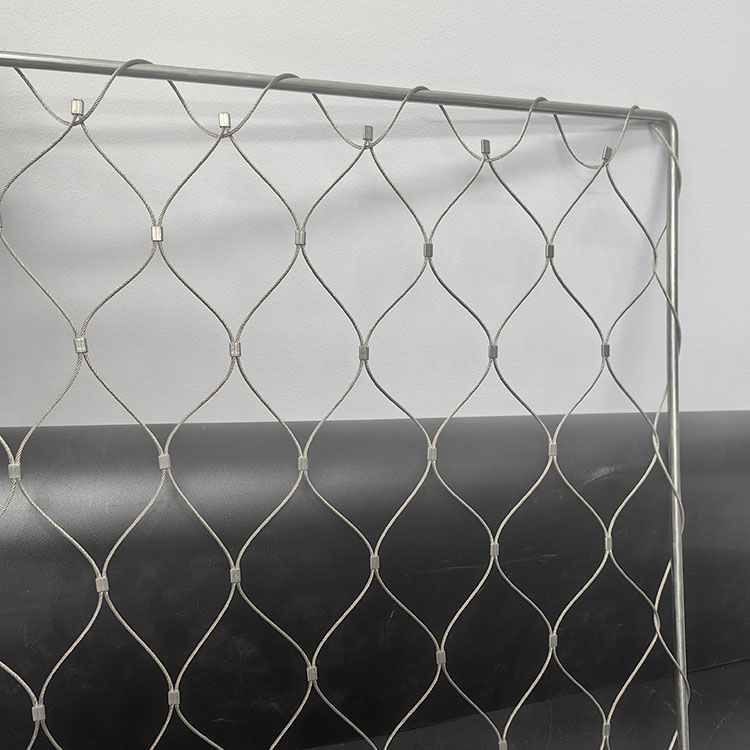
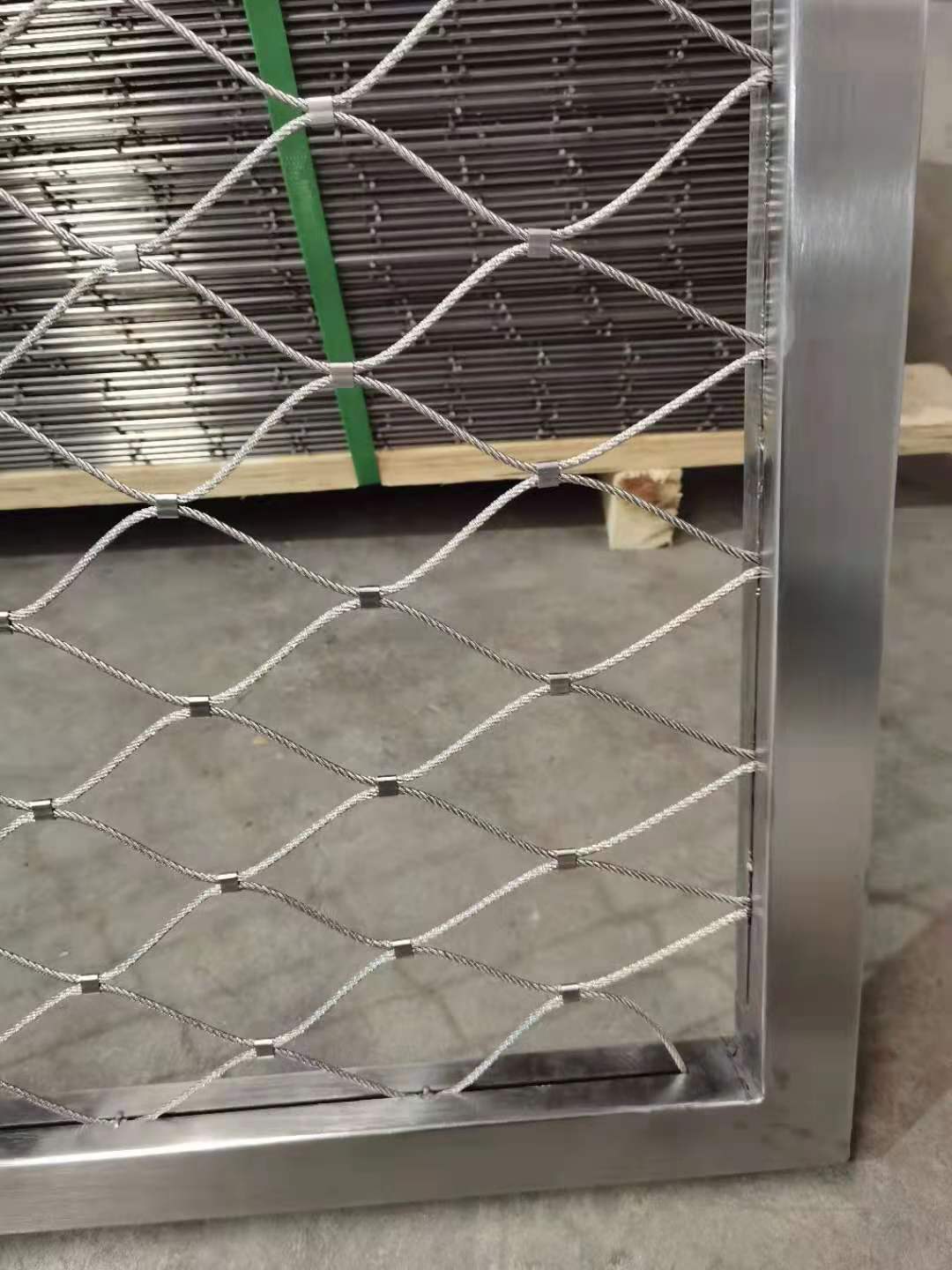
The aperture of a stainless steel rope mesh refers to the clear opening between two adjacent wires, typically measured from the center of one wire to the center of the opposite wire. It is usually expressed in millimeters (mm) and determines which applications the mesh is suitable for. For example, a 50mm aperture is ideal for medium-sized birds in aviary netting, while a 200mm aperture works well for large animal enclosures or architectural green walls. The aperture also affects the mesh’s flexibility: smaller openings create a tighter, stiffer net, while larger openings allow more drape and movement.
2. Wire Diameter — The “Thickness” of the Cable
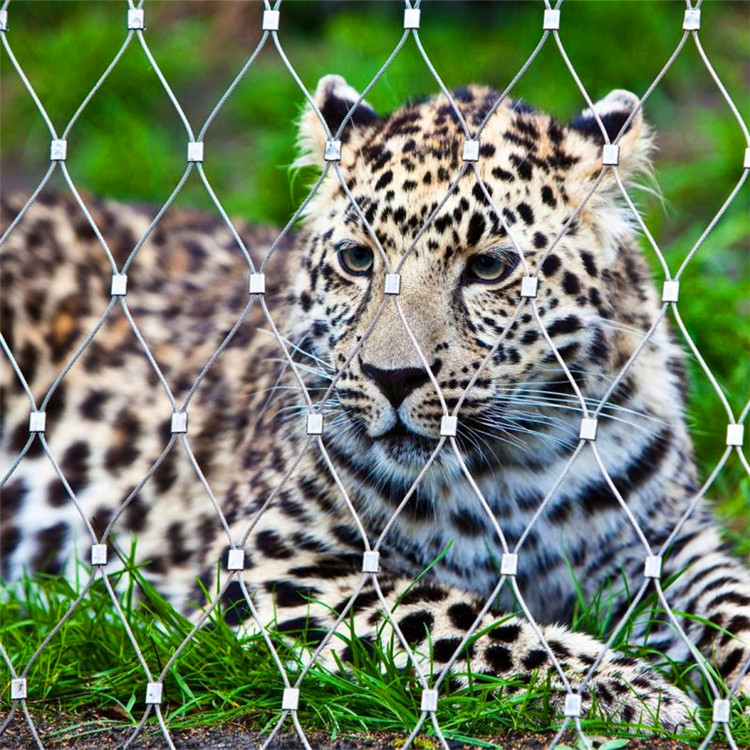
Wire diameter indicates the thickness of the individual stainless steel cable used to weave the mesh. Common sizes range from 1.2mm to 3.2mm, with 1.5mm, 2.0mm, and 3.0mm being the most popular for architectural and zoological applications. Thicker wires provide higher tensile strength and greater resistance to impact, but they also increase the overall weight and cost of the mesh. When comparing quotes, always verify that the wire diameter matches your project’s structural requirements. A 2.0mm wire may be sufficient for a decorative facade, whereas a 3.0mm wire is often necessary for tiger or gorilla enclosures.
3. Breaking Load — The Safety Benchmark
Breaking load, also called tensile strength or ultimate load, is the maximum force the wire rope can withstand before snapping. It is measured in kilonewtons (kN) and depends on both the wire diameter and the rope construction (such as 7×7 or 7×19). For instance, a 2.0mm 7×7 stainless steel wire rope typically has a breaking load of approximately 2.5–3.0 kN, while a 3.0mm rope can exceed 6.0 kN. In safety-critical applications like fall protection nets or animal enclosures, engineers apply a safety factor—usually 5:1 or higher—meaning the working load limit is only one-fifth of the breaking load.
How These Three Specifications Work Together
When selecting stainless steel cable mesh, you cannot evaluate aperture, wire diameter, and breaking load in isolation. A mesh with a large aperture and thin wire may be lightweight and cost-effective, but it will lack the structural integrity needed for heavy-duty applications. Conversely, a small aperture with thick wire offers maximum security but may be unnecessarily rigid and expensive for decorative purposes. The right combination depends on your specific use case: animal species, plant weight, wind load, and installation span all play a role.
Quick Reference Chart for Common Specifications
| Wire Diameter | Aperture | Typical Breaking Load | Best For |
|---|---|---|---|
| 1.5mm | 25–60mm | ~1.5 kN | Small birds, interior decor |
| 2.0mm | 50–100mm | ~2.8 kN | Medium animals, green walls |
| 2.4mm | 60–120mm | ~4.0 kN | Large birds, facades |
| 3.0mm | 80–200mm | ~6.2 kN | Big cats, heavy climbers |
| 3.2mm | 100–300mm | ~7.1 kN | Gorillas, safety nets |
Final Checklist Before You Order
Before finalizing your purchase, confirm these details with your supplier:
- Is the aperture measured center-to-center or clear opening?
- Is the wire diameter the nominal size or the actual measured size?
Conclusion
Understanding stainless steel rope mesh specifications—aperture, wire diameter, and breaking load—empowers you to make informed decisions and communicate clearly with manufacturers. Rather than relying solely on price, use these three metrics to compare products on a like-for-like basis. If you need help selecting the right wire rope mesh for your project, our engineering team is ready to assist.
Request a free specification sheet and sample today to see the quality difference firsthand